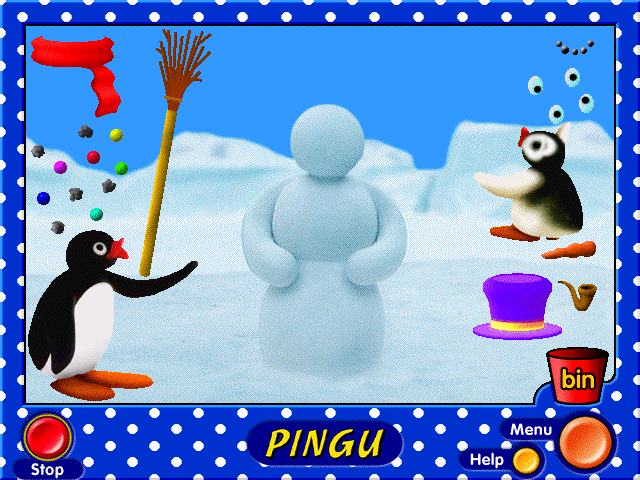





Breathing exercises are becoming a breakthrough for UK athletes in Pengu Sport. These techniques not only enhance oxygen intake but also improve mental focus. By integrating abdominal breathing and rhythmic patterns, Pengu Sport Game, players can maintain composure under pressure. This approach encourages a tranquil mindset that can lead to precise gameplay and a robust attitude in competition. The impact of these methods raises questions about potential changes in athletic performance and overall game strategy.
The Science Behind Breathing and Performance
Although many athletes ignore the role of breathing, it considerably impacts performance. Breathing directly influences oxygen levels in the bloodstream, affecting endurance and strength. When athletes coordinate their breath with movement, they maximize energy expenditure and enhance focus. The body requires a steady supply of oxygen to perform effectively, as higher oxygen levels boost metabolism and reduce fatigue. Additionally, controlled breathing helps regulate the heart rate and manage stress, contributing to a focused mind during competition. The science behind breathing reveals that simple adjustments can lead to significant improvements, enabling athletes to push their limits further. By understanding these physiological connections, competitors in Pengu can utilize the power of their breath to enhance their game.
Techniques for Effective Breathing in Pengu
Understanding the art of breathing sets the stage for athletes in Pengu to utilize effective techniques that boost their performance. Athletes should start with diaphragmatic breathing, concentrating on inhaling deeply through the nose and expanding the belly, which increases oxygen intake. Employing a rhythmic breath pattern during high-pressure moments can help maintain composure, allowing for accurate decision-making. It’s also beneficial to include breath control exercises, such as extended exhalations, to promote relaxation and diminish anxiety. Practicing box breathing, where the athlete inhales, holds, exhales, and holds again for equal counts, further enhances focus and clarity. By integrating these techniques regularly, Pengu players can utilize their breathing to improve their game and optimize athletic potential.
Benefits of Mindful Breathing During Matches
While the intensity of a Pengu match can be overwhelming, mindful breathing provides athletes a effective tool to maintain focus and enhance performance. By engaging in conscious breathing techniques, players can control their heart rates, reduce anxiety, and boost mental clarity. This practice helps athletes cultivate a calm mindset, allowing them to react faster and make tactical decisions during intense moments. Additionally, mindful breathing cultivates a connection between mind and body, improving overall awareness on the field. As athletes incorporate these techniques, they strengthen their resilience against distractions, maximizing their ability to implement game plans with precision. With enhanced focus and diminished stress, they can tap into their full potential, ultimately adding to their team’s success in the competitive Pengu arena.
Integrating Breathing Exercises Into Training
Integrating respiratory exercises into training routines can greatly enhance athletes’ output and overall health. When athletes incorporate focused breathing techniques, they amplify their oxygen flow, reduce stress levels, and boost mental clarity. Starting with simple diaphragmatic breathing helps create a strong foundation. As they progress, athletes can practice techniques like box breathing to enhance concentration during stressful situations.
Additionally, pairing breathing exercises with physical drills can train athletes to maintain calmness while executing skills. Consistently incorporating these practices nurtures resilience, ensuring athletes stay composed and focused during intense moments in competition. Coaches should promote consistent integration of breathing techniques, making it a natural part of training sessions. With dedication, athletes can uncover their full potential through the power of controlled breathing.
Real-Life Examples of Improved Focus Through Breathing Techniques
Athletes across different sports have experienced remarkable improvements in focus and performance by incorporating breathing techniques into their regimens. For instance, a renowned swimmer reported cutting down her lap times by concentrating on controlled, rhythmic breathing during competitions. Likewise, a basketball player employed deep breathing exercises before vital free throws, improving his accuracy and composure under pressure. In mixed martial arts, a fighter utilized breath control to sustain focus during intense rounds, allowing for clearer decision-making and strategy execution. These examples highlight how integrating breathing techniques not only soothes the mind but also sharpens concentration, resulting in heightened performance levels. Athletes regularly find that channeling their breath can be the key to unleashing their full potential in competitive environments.
Conclusion
Incorporating breathing exercises into the Pengu Sport game can transform UK athletes’ performance. By mastering diaphragmatic and rhythmic breathing techniques, players not only boost their oxygen intake but also cultivate mental clarity and composure during critical moments. As they integrate these practices into training, the benefits become evident—better focus, improved precision, and a robust approach to competition. Ultimately, mindful breathing serves as a powerful tool, allowing athletes to react effectively and raise their game to new heights.